
Describe the property
Send the location, symptoms, equipment and access details. State whether the work is a repair, replacement or planned project.
Need plumbing help in Aylmer? Tell us about the leak, blocked drain, fixture or water heater. A responding provider will confirm coverage and availability before booking.
Get A Free QuoteCompare tank and tankless water heaters by fuel, capacity, recovery rate, venting and available installation space for your Aylmer property.
View scopeConsider cabling for a blockage, jetting for pipe-wall buildup or camera inspection for recurring trouble, roots or possible clay-tile damage.
View scopeCompare PEX and copper replacement plans, including pipe routes, access through older finishes, staged work and pressure testing.
View scopePlan toilet, faucet and laundry-fitting replacements around existing connections; additions also need drain, vent and supply rough-ins.
View scopeAcoustic sensing, thermal readings and pressure isolation can help investigate hidden leaks; buried barn lines and well-system symptoms may need separate checks.
View scopeCompare pump and basin sizing, battery backup and discharge routing based on observed drainage, power interruptions and freezing exposure.
View scopeUse a water test to compare softeners, iron or sulphur treatment and ultraviolet systems for the property’s actual water source.
View scopeWater treatment choices should follow a test of the property’s actual source, not a guess based on stains, odour or scale. First identify whether the water comes from a well or municipal supply, and collect a recent test if available. Hardness, iron, sulphur compounds and other results can call for different equipment, such as a softener, iron-removal stage or ultraviolet system. Ask how the proposed equipment fits the test, household use, available space and ongoing service needs.
Compare tank and tankless water heaters by fuel, capacity, recovery rate, venting and available installation space for your Aylmer property. Consider cabling for a blockage, jetting for pipe-wall buildup or camera inspection for recurring trouble, roots or possible clay-tile damage. Compare PEX and copper replacement plans, including pipe routes, access through older finishes, staged work and pressure testing.
Plan toilet, faucet and laundry-fitting replacements around existing connections; additions also need drain, vent and supply rough-ins. Acoustic sensing, thermal readings and pressure isolation can help investigate hidden leaks; buried barn lines and well-system symptoms may need separate checks.
Compare pump and basin sizing, battery backup and discharge routing based on observed drainage, power interruptions and freezing exposure. Use a water test to compare softeners, iron or sulphur treatment and ultraviolet systems for the property’s actual water source.
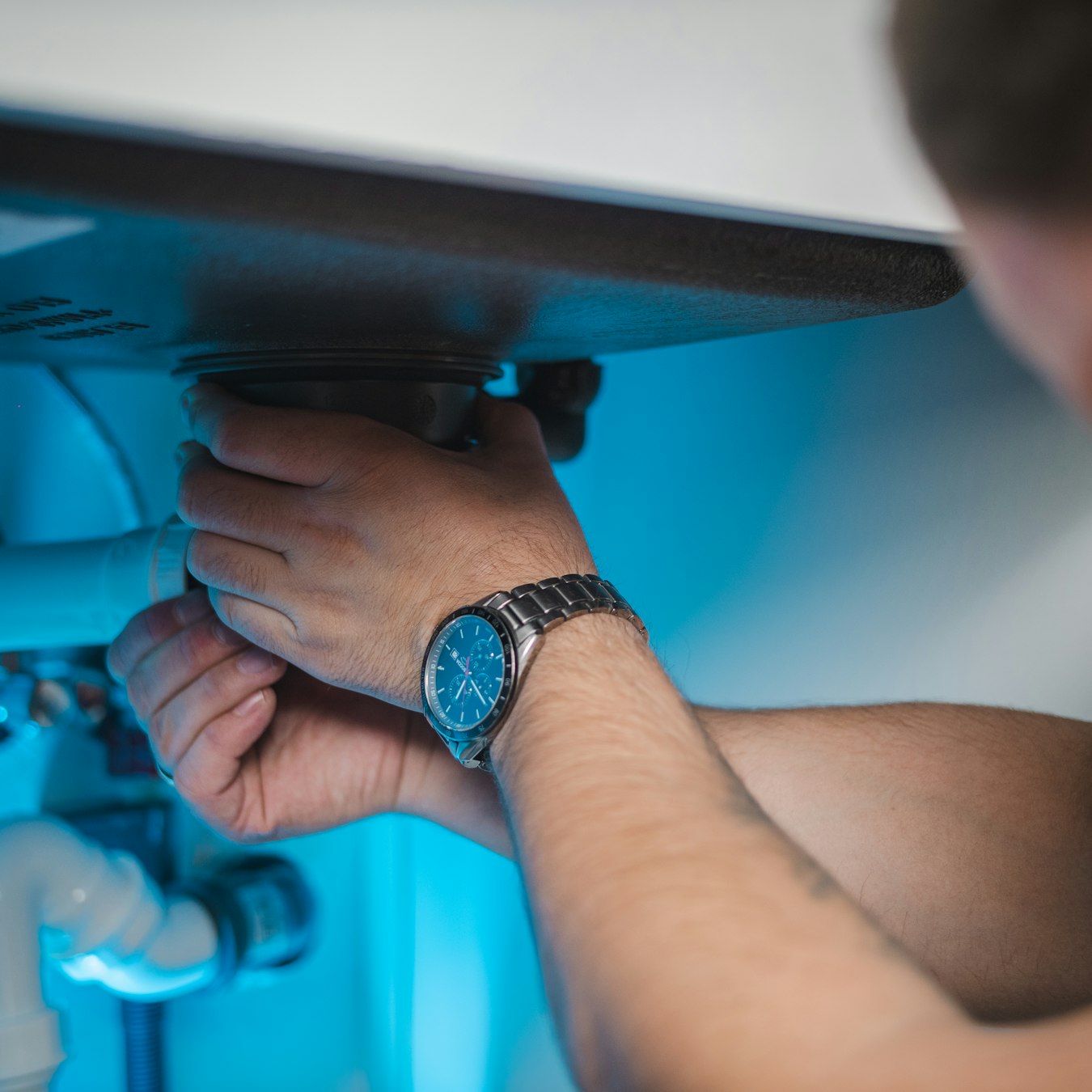
A slow kitchen, laundry or floor drain can come from different causes, so note which fixtures are affected and whether the problem returns after clearing. Grease, soap residue and lint may call for different cleaning than roots in a buried line. If the property has older clay tile or a septic system, tell the service professional before work begins. Cabling may open a blockage, while jetting or camera inspection can help assess pipe-wall buildup and the condition of the line.
Explore this serviceSend the location, symptoms, equipment and access details. State whether the work is a repair, replacement or planned project.
The request is reviewed so the responding provider can clarify the work, property access and service coverage.
Agree the provider identity, qualifications, written scope, pricing and visit window directly. Sending a form does not confirm an appointment.
For a rental turnover, make a list of faucets, toilets and laundry fittings that need attention, and photograph visible leaks or loose connections. Ask for the scope to include relevant leak checks as well as replacements. This helps distinguish a simple fixture swap from a repair to surrounding piping or finishes.
If a home has lath and plaster, ask how proposed pipe routes and access openings will be mapped. Photograph valuable plaster, trim and woodwork before planning. Limiting openings may reduce disruption, but the available route and condition of existing piping determine where access is necessary.
If a buried line may be clay tile, ask whether a camera inspection can identify root intrusion, crushed sections or sagging. Root cutting may restore flow, but footage can show whether the problem is likely to return or whether a damaged section needs separate attention. Keep the recording or findings for comparison.
If a buried line supplies a barn or field hydrant, sketch its route and mark accessible valves or wet areas. Ask how the line will be traced and what burial-rated fittings would be used for a repair. Knowing the route and service points helps define excavation and repair scope.
If water reaches the basement, document where it enters and how quickly the basin fills. Ask how foundation drainage and site conditions inform the basin and pump selection. A pump that is too small for the observed load may not keep up, so capacity should be discussed alongside the drainage pattern.
Use the form to describe the property, the symptoms and the work requested. For Springfield, Port Burwell, Vienna, Malahide, include your postal code so local coverage can be checked.
If your location is not listed, include its postal code with the requested work. Coverage, travel arrangements and scheduling must be confirmed directly with the provider.